

Algorithmic Gods: How Recommendation Engines Are Rewriting Human Desires And Destiny
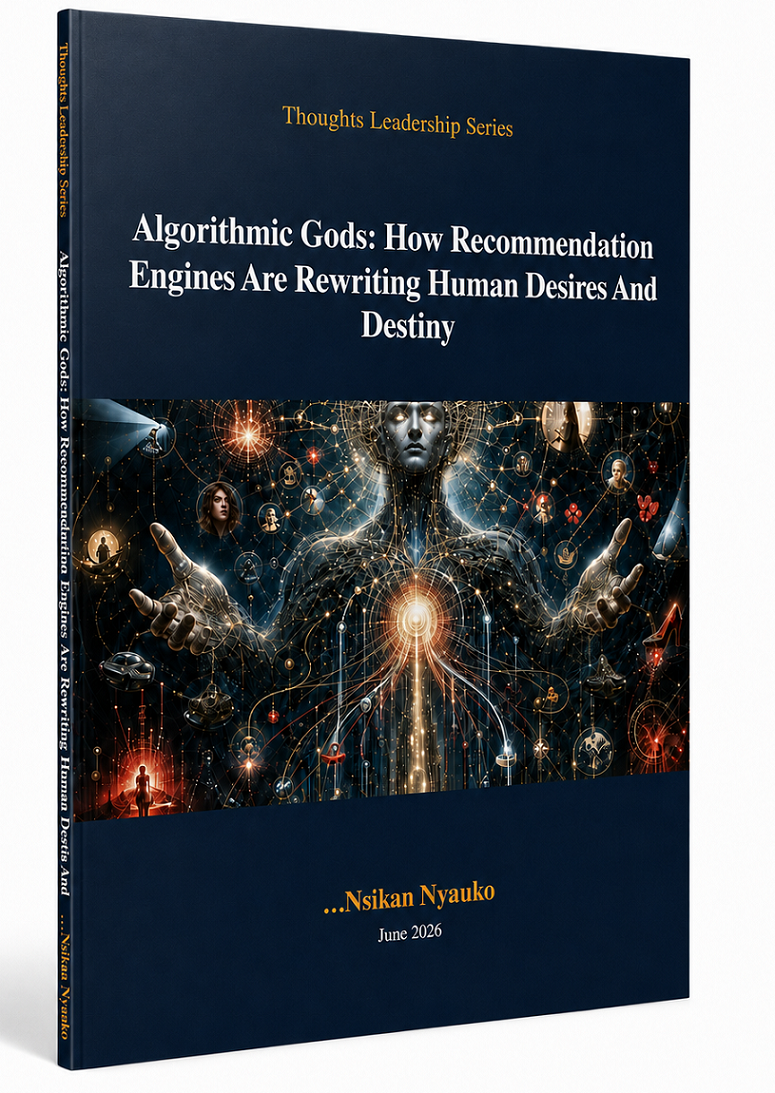
Summary
The article argues that recommendation engines have moved from helpful tools into invisible governors of attention, taste, commerce, politics, and intimate life. They suggest, repeat, and flatter users until exposure becomes habit and habit begins to feel like choice. Across TikTok, YouTube, Netflix, Spotify, Amazon, Instagram, X and dating apps, platforms turn behavior into signals and signals into arranged encounters. The essay does not dismiss recommendation systems. They can widen discovery, support creators, and help users navigate abundance. Its concern is that societies may treat these systems as private software while they inadvertently organize culture, politics, consumption, and the horizon of human desire.
Selected Pull Quotes
“The algorithm does not ask what humans desire. It learns what desire can be made to repeat
“The influence of algorithm has made people learn to present themselves in ways that platforms reward: dramatic, enviable, wounded, extreme, consumable. The result is a new class system of visibility. Some are lifted. Others vanish. The successful creator appears beloved, the unsuccessful one ignored. The viral idea appears socially powerful, the non-viral idea irrelevant. Behind the apparent verdict of the crowd stands an engineered distribution system. The crowd chooses, but only after the platform has arranged the crowd’s field of encounter
“To call recommendation engines gods is metaphor, but not exaggeration. Gods in human history have often been systems of orientation. They told societies what to fear, what to love, what to imitate, what to sacrifice. Recommendation engines now perform a secular version of that work. They do not declare commandments. They distribute probabilities. They do not announce fate. They narrow horizons
“A society governed by recommendation may forget how to desire outside prediction. The problem is not that engines help us choose. The problem is that they make their help feel like selfhood
“A human being reduced to previous behavior becomes a prisoner of evidence. The algorithm says: because you were this, you may want that. But growth often begins in refusal. I was that, but I will not remain it