

The Global Food Reckoning: Why Billions May Face Empty Plates By 2035
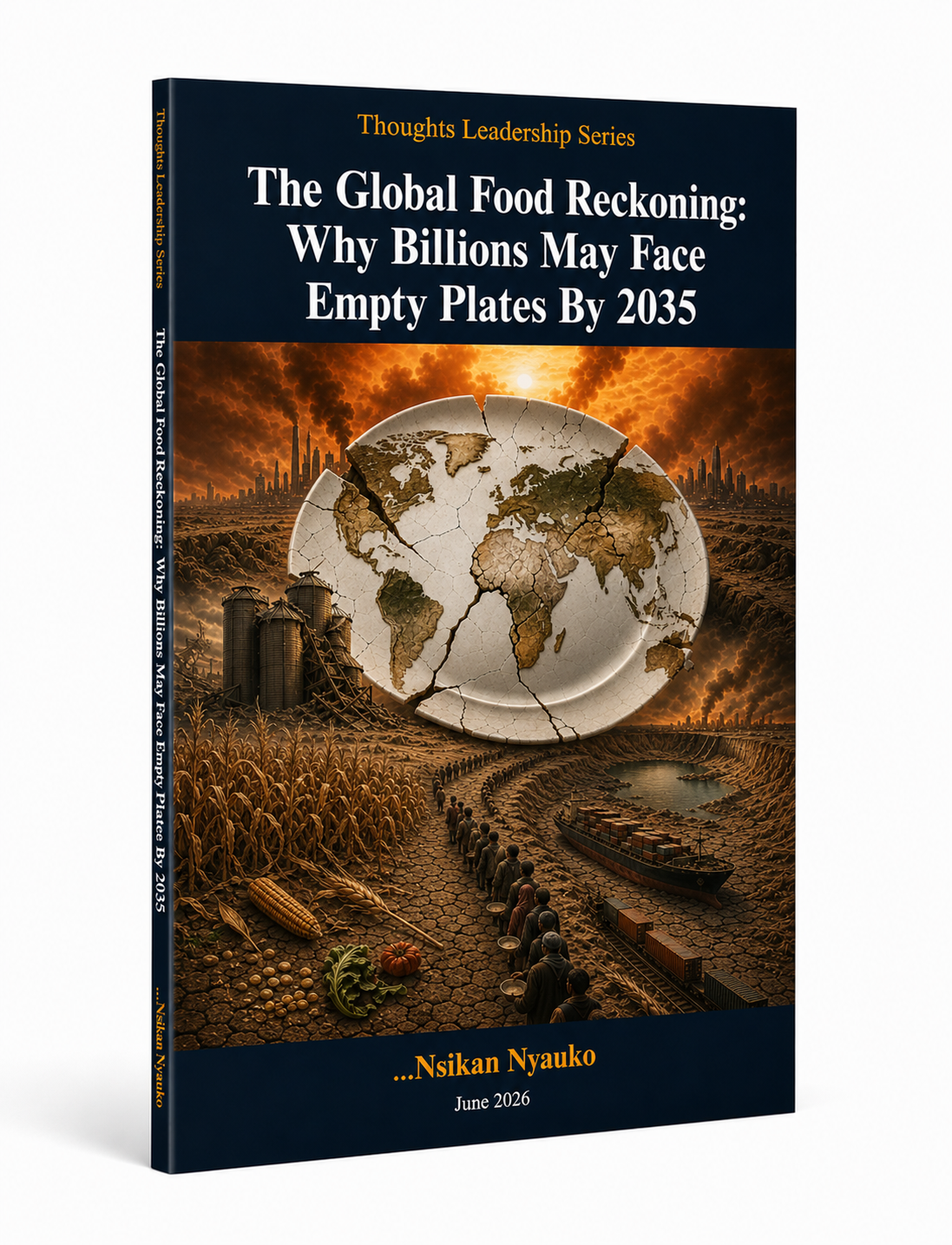
Summary
The coming food crisis will not look like one failed harvest. It will appear as rising prices, depleted soil, falling aquifers, fragile supply chains and households priced away from food that markets still display. It is a verdict on distribution, power, trade and public neglect. By 2035, billions may face food stress through unaffordable meals, unhealthy nutrition, import dependence, climate shocks, conflict, and corporate control over seed, fertilizer and credit. The earth has not forgotten how to feed humanity. The answer is ecological repair, food sovereignty, fair markets, public capacity and power governed by human need.
Selected Pull Quotes
“The food web, shown as a diagram, captures connections. But agriculture does not answer to ecology in isolation. It answers to forces that shift faster than any diagram can be revised. Empty plates are born not only from drought, but from price and neglect
“A food system can survive one failed season. It struggles when climate, land, and water portend that what the world calls a harvest may be the last echo of a soil’s memory
“The debt of a nation can dictate the diet of its citizens. When the loan officer becomes the arbiter of what the farmer grows, the terms are engineered to favor profit over ecology and efficiency over resilience
“The seed, once a product rooted in photosynthesis, has become a proprietary software wrapped in a shell of biology, subject to intellectual property law
“When a crop becomes a ticker symbol on the floor of a trading exchange, it fractures its value as a basic need. It becomes a signal on a trading screen for speculation each time the ring bells
“A food price shock plotted as a graph in the Chicago Mercantile Exchange is lived as a skipped meal in Mogadishu
“When a bean becomes collateral in a tariff war, it is tallied in hostilities rather than harvests